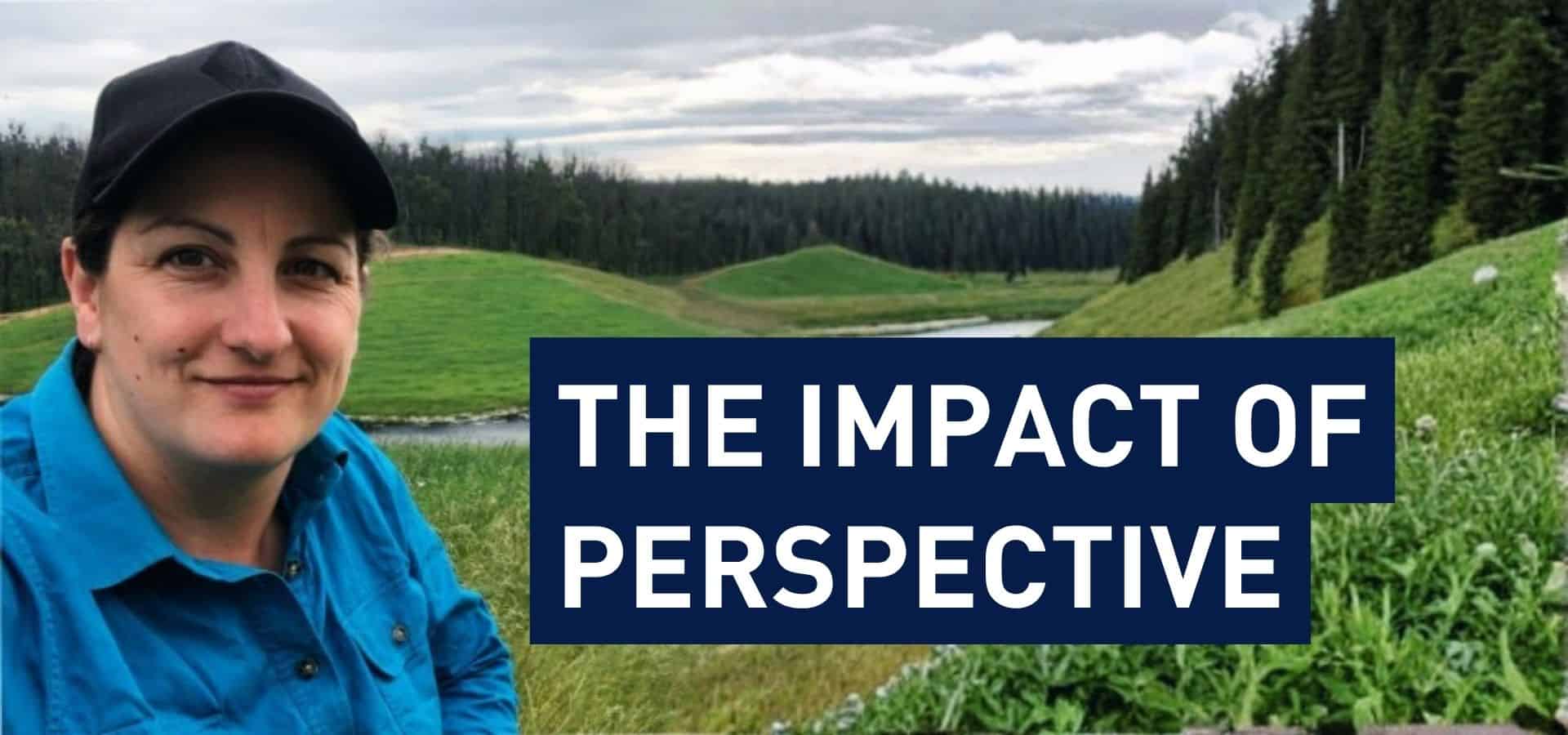

In the complex landscape of Australian agriculture, where productivity often collides with environmental constraint, Jen Smith is advocating for a fundamental shift in how the industry values its most essential resource, the soil. Her journey, sparked by the Australian Rural Leadership Program (ARLP) and a global investigation into soil management supported by the John B. Foundation, represents an evolution from instinctive, result-driven leadership to a sophisticated systems-thinking approach. By reframing soil health from a technical farming challenge to a system approach, Jen Smith is demonstrating that the most enduring changes in regional Australia often begin with a subtle, yet profound, pivot in perspective.
Beginnings
Jen’s path to leadership was forged in the timber and dairy communities of East Gippsland, Victoria. Although she moved to Melbourne to study social sciences, she returned to East Gippsland when, as Jen notes, “found myself in love with a farmer and back in the country”. Over the next 20 years she became a pillar of the East Gippsland community, building a farming business and leading high-stakes initiatives including a community-led bushfire recovery committee. Reflecting on her view of leadership at this time, Jen notes that “I’ve always looked up to leaders that take action and get things done. People who take the idea and just make it happen”. This pragmatic approach to leadership had already forged in Jen the idea of showing up, speaking up and stepping up.
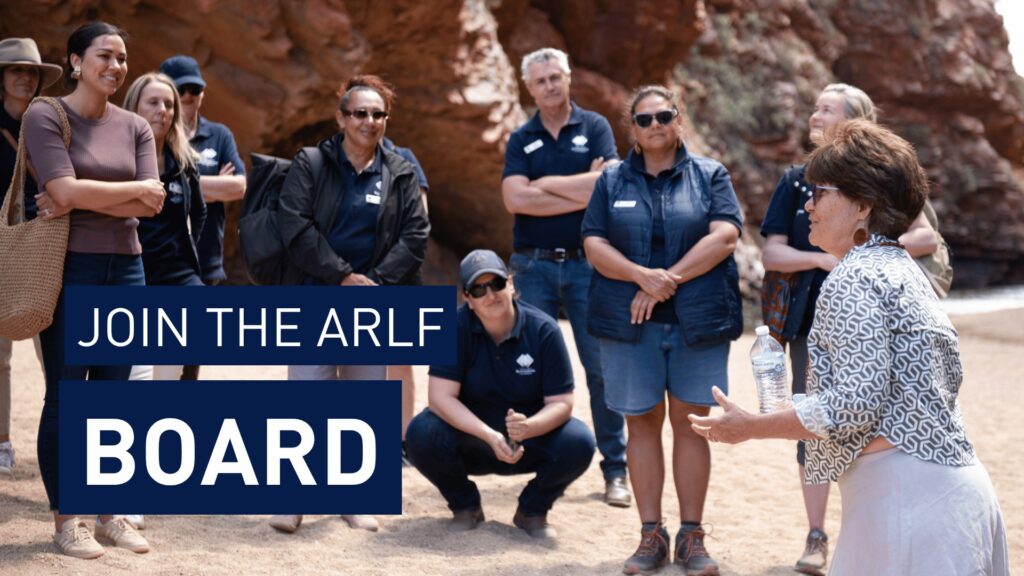
At this point Jen did not see a leadership program in her future. Her application for the ARLP was less a calculated career move and more a serendipitous result of Gippsland’s network of reciprocity. It began when a past ARLP graduate contacted her to host 30 leaders for a session of the program. She had not yet heard of the ARLP and recalls her first impression of the cohort was, “adults on what seemed to be school camp, all dressed in matching polo shirts”. It was only after hosting the group a second time, strategically putting them to work at a local community event, that one of the program facilitators suggested she consider applying. Even then, the transition was unceremonious. She submitted her application and simply thought no more about it. “I got an e-mail letting me know I was able to go on the program. So, I then had to really think about it. I like the process of creative and critical thinking and learning new skills and thought that it was an opportunity to build my capacity to give back to my local community”.
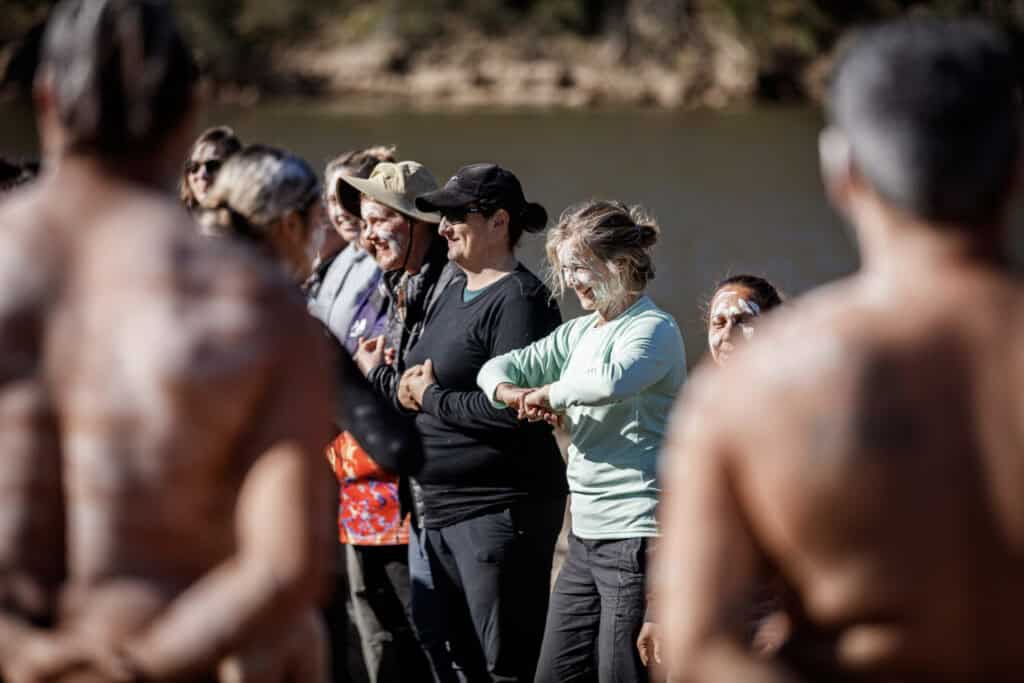
ARLP Course 30
The 15-month journey through ARLP Course 30 provided the mirror Jen needed to refine her internal compass. Across four intensive in-person sessions and other course work she was challenged to confront her personal history and the stories that shaped her resilience. “I didn’t have some cosmic shift on the course, but I can see structural shifts in the way that I think about things now. I became someone that can sit with a bit of tension a little bit longer. At the same time, I still feel that pull to step in and to drive things. The difference is I now notice it and I choose more deliberately. The right thing might be something more collaborative or strategic, at which point I’ll just sit back and let someone else lead”. She adds, “the program changed how I make meaning of things and how I give things space. It’s about the number of people that you can keep on the journey or the tension that you can hold that can really change the impact of something”.
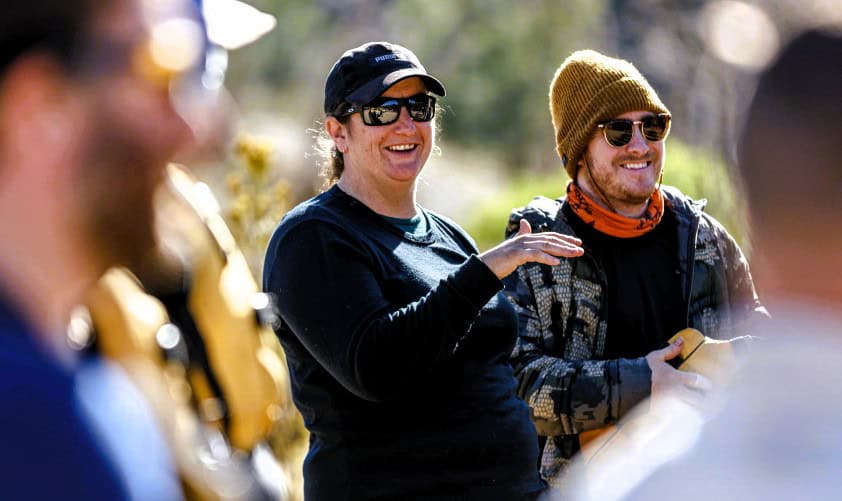
Study Tour
As part of the John B Innovation in Agriculture Scholarship, supported by the John B. Foundation, Jen subsequently undertook an extensive study tour of the United Kingdom and the United States. The original focus of the study was to identify practical, investment-ready approaches to soil improvement. However, her subsequent conclusions from the tour were startling and more wide ranging. Jen identified that the primary constraint to global soil management is not a lack of scientific knowledge, but a systemic failure in how land is valued in the modern economy.
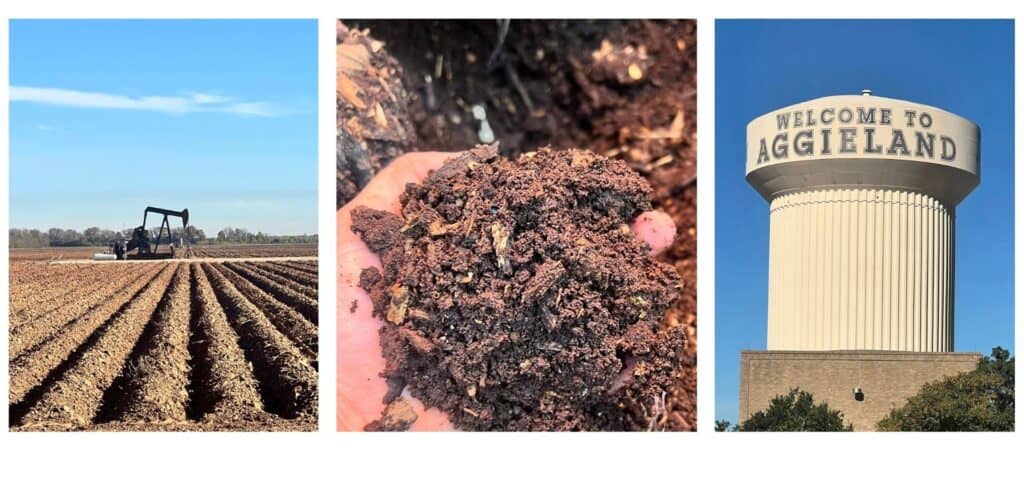
In the United Kingdom, subsidy reform is actively reshaping farm systems, influencing enterprise mix and adoption decisions. In the United States, policy instruments such as subsidised crop insurance and rising land values enable high productivity but reinforce short-term, yield-focused decision-making. In both contexts, soil is present but not prioritised and is largely absent from financial frameworks.
A critical trend is the changing role of land. Land is increasingly valued as a financial and energy asset, often disconnected from its biological function. As a result, soil is effectively invisible on the balance sheet, despite underpinning long-term productivity. “Soil, which should be like a national or community asset, is either treated as a commodity in terms of something to trade so you can make more money off it or a science project. It’s not viewed a resource to be valued and managed”.
While Jen’s focus for action remains around soil management practices, she also recognises the need to change the conversation around how we view our soil, “there’s a lot of messaging from an environmental perspective about soil management practises and that appeals to a certain percentage of the population. But that’s not necessarily in the value system of the rest of the population. So is it about trying to find some of those key messages and communicating that from of a shared values base”.
Jen acknowledges how this connects back to her experience on ARLP, “we did a values-based communication section on the program. It was focused on values-based communication instead of fear-based communication. And I’ve probably been more of the latter in the past. But when you find that genuine connection with that shared value you go ’oh, I see how this works’”.
Reflections
Jen is now back on her farm in Gippsland, working for her business and community. Her experience on ARLP, paired with what she saw in the UK and US, has changed how she views the challenges facing her industry. She has moved past seeing soil health as just about application of best practices and understanding that it is part of a wider system, with deeper factors impacting outcomes. Jen is still true to herself and remains a person of action. However, as she acknowledges, “How do we really call out what works and drives sustainability and transfer it in a way that’s trusted? And that goes both ways. We’ve got to take what we know within our regional communities and within our farming systems and translate that to government and build their trust as well. Being the angry farmer with a pitchfork doesn’t really work”.
Undertaking ARLP and her study tour through the John B Innovation in Agriculture Scholarship, supported by the John B. Foundation, allowed Jen to take a breath and refine her understanding of leadership and how her industry is part of a wider system. She returns from these better prepared to drive change with a whole of system view and a renewed capacity to bring others along with her.
Jen is one of seven recipients of the John B. Innovation in Agriculture Scholarship with the next scholarship to be awarded to a participant in ARLP Course 34.
If you’re interested in applying for the ARLP Course 34 scholarship, please email viviennej@rural-leaders.org.au for more information.