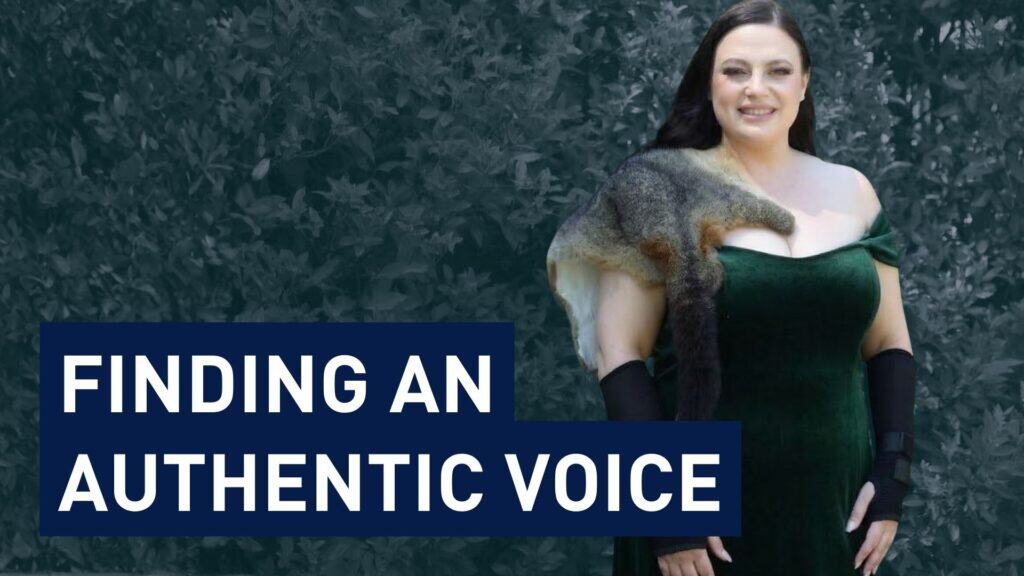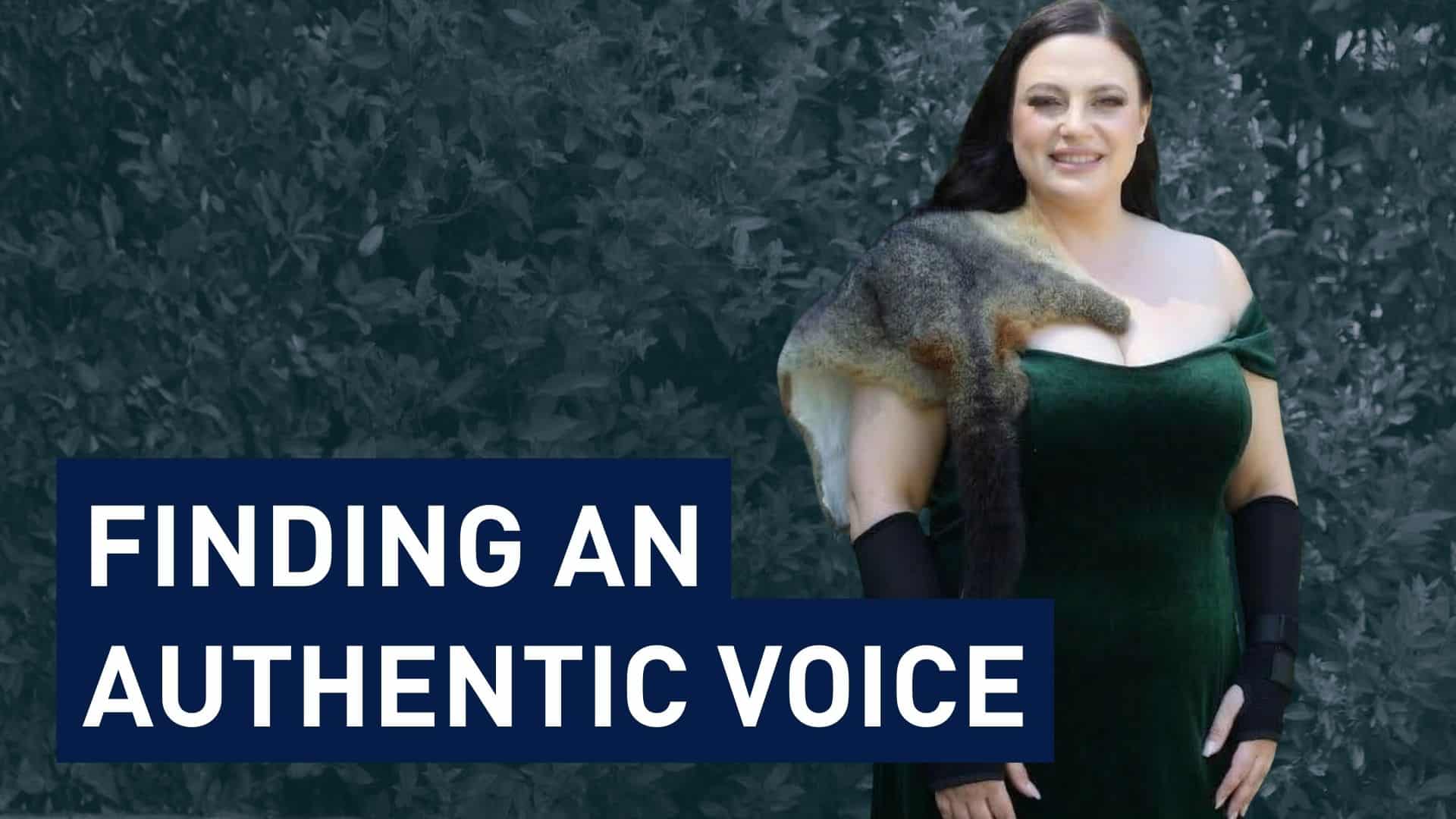
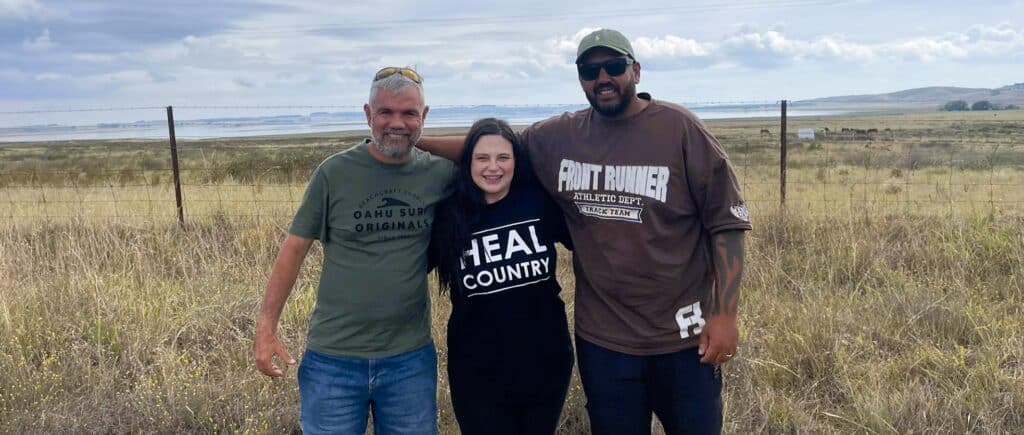
Leadership often feels like a concept defined by those who speak the loudest, but for Natasha Chandler, a proud Gundungurra woman, the Australian Rural Leadership Foundation’s (ARLF) Milparanga Established Leaders Program offered a different perspective.
By stepping away from her daily environment into a space dedicated to First Nations leadership, Natasha discovered that influence is not about occupying the most space. Instead, she found that leadership flourishes when an individual has the courage to embrace their unique style while building bridges between different cultural and professional worlds.
Before commencing her leadership development with the ARLF, Natasha’s professional path had already spanned a number of continents and industry sectors. After growing up in Geelong, she spent a decade in London where she managed high-volume recruitment for British Airways and later served as a diversity and inclusion lead at King’s College. Today, she balances law studies at the University of Melbourne with a role in the Faculty of Medicine, Dentistry and Health Sciences. Her work focuses on deep structural change, including the decolonisation of curriculum and the creation of culturally safe spaces for First Nations students and staff.
Natasha’s path into the Milparanga Established Leaders program highlights the value of the ARLF alumni, particularly the way the alumni network helps identify leadership potential that a participant might not yet see in themselves. Her journey began with the Changemaker workshops, where her understanding of leadership started to shift, but the real catalyst was the shoulder tap from facilitators and alumni who recognised her readiness for a more intensive challenge. This practice of the shoulder tap is a significant contribution to the ARLF’s capacity to find high quality participants for programs, even if those identified initially doubt their own readiness. Reflecting on the moment Natasha recalls, “I didn’t think I was ready. And then I considered that maybe the people that I was talking to about this saw something in me that I didn’t quite see in myself just yet.” This external validation provided the necessary nudge for her to step into the program.
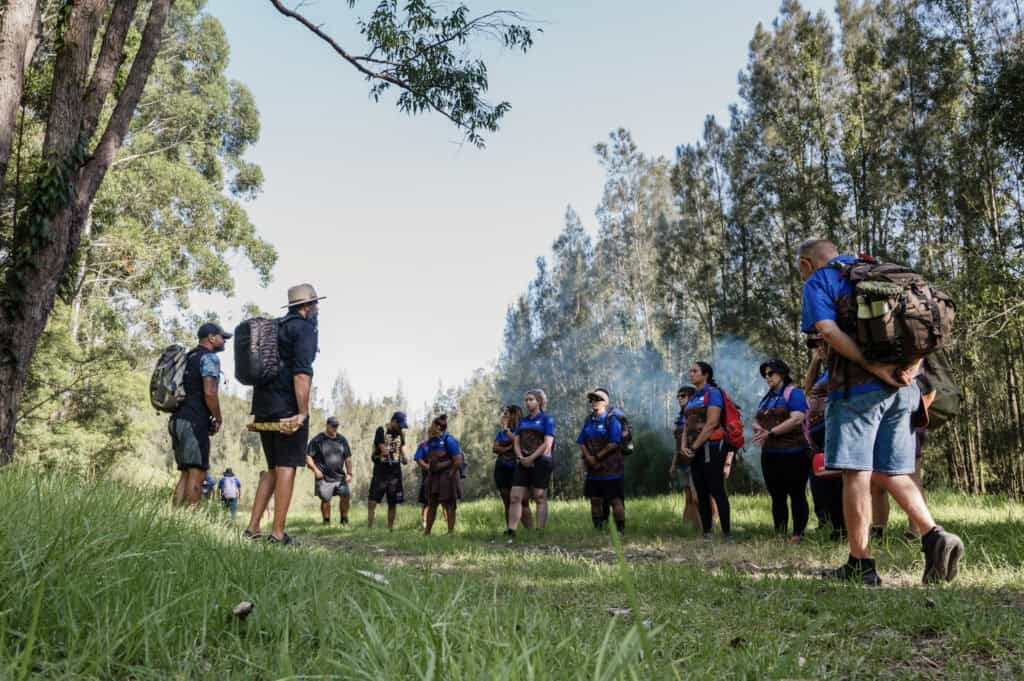
Natasha expected the Milparanga Established Leaders Program to follow the format of the Changemaker workshop with some light physical activity added. Instead, she encountered a physically challenging and immersive experience characterized by long days that frequently extended until late into the evening. As she describes the contrast between her initial assumptions and the reality of the course, “It was immersive and it was completely different to what I imagined it would be. It put us under that extra stress that we obviously couldn’t do in a Changemaker or similar short program.”
The cumulative impact of both programs has fundamentally altered Natasha’s approach to leadership. While the Changemaker workshops introduced her to the tools of community advocacy, Milparanga Established allowed her to refine her philosophy in a more immersive, First Nations setting. One defining moment for her occurred during a group exercise where more assertive participants were removed from the environment as part of the exercise. This shift forced the quieter members, including Natasha, to lead the task. The experience served as a practical validation of her collaborative style, proving that a focus on consensus and ensuring every voice is heard is just as effective as more traditional, dominant methods of direction. “It gave everybody the opportunity to see that just because you’re not the loudest person in the room doesn’t mean you’re less capable,” Natasha noted.
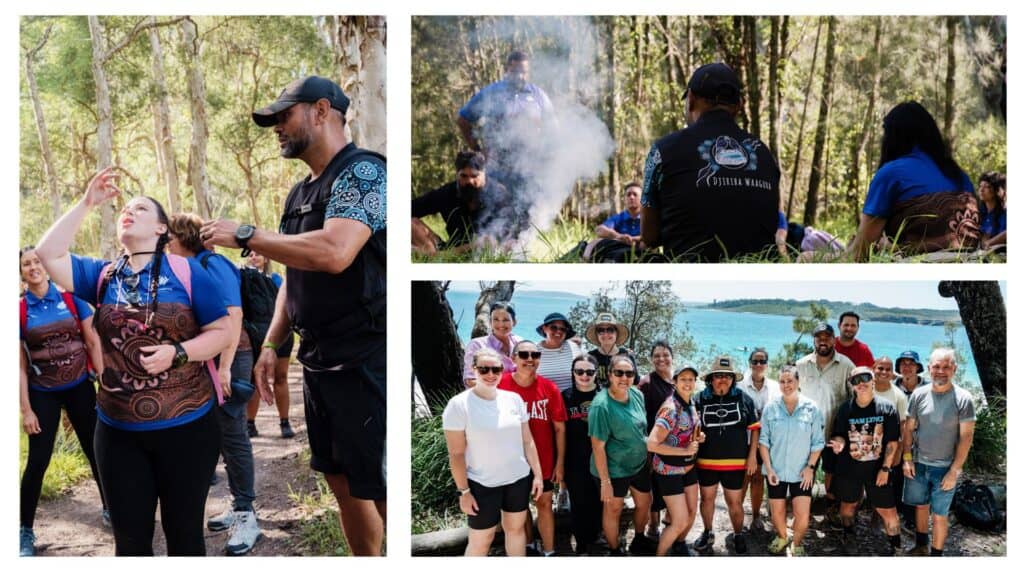
Through the Changemaker and Milparanga Established Leaders programs, Natasha has moved from being someone who often watched from the sidelines to a leader who feels confident to step into a conversation and, when required, take a step back to see the bigger picture. This shift wasn’t about changing who she is, but finding an authentic voice to advocate for structural change, even in environments that might be resistant to it. She reflects that the program, “was a chance to figure out exactly how I want to lead. To move away from the rigid hierarchies I had experienced in previous jobs – where often staff motivation and morale were low.”
Natasha is already putting these insights into practice by blending her professional background with her identity as a First Nations woman. She describes this as a way to merge both kinship and strategic human resource management together, proving that effective leadership doesn’t have to follow a traditional corporate style. Instead, Natasha says “I have embraced the idea that there’s not one true way to lead and that you can lead with love, kinship and in a way that keeps everybody motivated.” This blend of strategy and care is perhaps most visible in how she supports her students at the University of Melbourne. Recognising that many Aboriginal students live remotely and only visit campus occasionally, Natasha looked for ways to build a community that reaches beyond the university gates. She created an interactive WhatsApp group where students stay connected throughout the semester through weekly photo competitions, shared Spotify playlists and food voucher prizes that help ease cost-of-living pressures. “I feel responsible to these students and they feel responsible to me,” she explains, “we’re all creating a community that is caring and loving.” At the same time, she is committed to creating structural pathways for Aboriginal students within higher education. Through her involvement with the Indigenous Graduate Study Options Program at the University of Melbourne, she coordinates outreach across faculties to ensure students are aware of postgraduate opportunities that might otherwise feel inaccessible.
The Milparanga Established Leaders program provided Natasha with the clarity to lead in a way that is deeply true to her identity, proving that true influence stems from authentic connection rather than a traditional hierarchy. Ultimately however, for Natasha it is about more than her own growth and development. It’s about creating space for the next generation to step forward, ensuring that others are supported and empowered to lead.